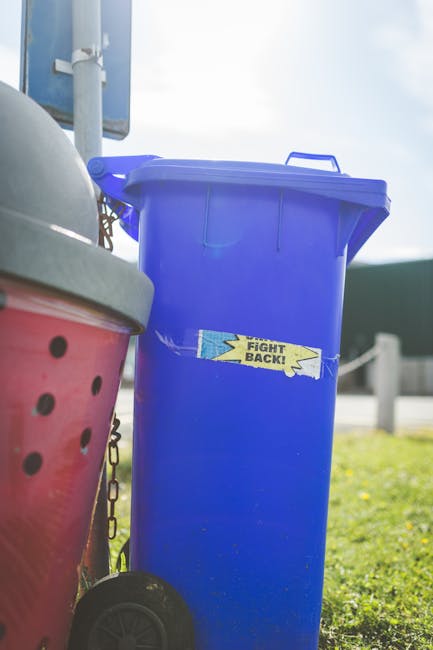
How local businesses save on rubbish collection in Palmers Green
If you run a shop, office, cafe, salon, workshop, or small site in Palmers Green, rubbish collection can quietly eat into your margins. Not dramatically, not all at once, but enough that you notice it in the monthly accounts. The good news is that How local businesses save on rubbish collection in Palmers Green is usually less about cutting corners and more about working smarter: reducing waste at source, choosing the right service for the job, and avoiding those annoying extras that creep onto invoices.
In practice, saving money often comes down to simple decisions. Do you need a fixed regular collection, or would a one-off business waste removal service suit better? Are you paying for air in half-empty bins? Are recyclables mixed with general waste because nobody has time to sort them properly at 4:30pm on a Friday? Small things. Big difference.
This guide walks through the real ways Palmers Green businesses can lower rubbish collection costs without creating mess, risk, or compliance headaches. It is practical, local, and aimed at people who have better things to do than argue with bins.
Table of Contents
- Why saving on rubbish collection matters
- How rubbish collection savings work in practice
- Key benefits and practical advantages
- Who this is for and when it makes sense
- Step-by-step guidance
- Expert tips for better results
- Common mistakes to avoid
- Tools, resources and recommendations
- Law, compliance, standards, and best practice
- Options, methods, and comparison
- Case study or real-world example
- Practical checklist
- Conclusion
- Frequently Asked Questions
Why How local businesses save on rubbish collection in Palmers Green Matters
Waste costs are rarely front of mind until they become awkward. A bin overflows, a collection is missed, or a contractor charges for extra volume because the wrong waste ended up in the wrong container. Then the problem feels immediate, and, to be fair, a bit irritating.
For local businesses in Palmers Green, saving on rubbish collection matters for a few straightforward reasons:
- Margins are tight: many small businesses cannot absorb avoidable waste costs for long.
- Space is limited: storage areas, rear yards, and shared access points often fill up quickly.
- Customer experience matters: nobody wants to see bags stacked outside a shop or office.
- Compliance matters: waste needs to be handled properly, not just cheaply.
- Regularity matters: over-collection wastes money, under-collection causes disruption.
Palmers Green has a mix of independent retailers, hospitality businesses, offices, trades, and small service firms. That variety is important because not every business produces waste in the same way. A cafe with food waste, packaging, and cardboard has very different needs from an office with paper, mixed waste, and the odd broken chair. One-size-fits-all pricing can look convenient, but it often hides inefficiency.
There is also a local reality to think about. Busy high streets, tight delivery windows, and limited storage space mean that waste planning is not just an admin task. It affects day-to-day operations. The businesses that save the most usually treat rubbish collection as part of operations, not an afterthought.
Expert summary: The cheapest rubbish collection is not always the lowest price on paper. In the real world, the best savings come from matching the service to your actual waste volume, choosing the right collection frequency, and keeping recyclable material out of general waste.
How How local businesses save on rubbish collection in Palmers Green Works
At its simplest, rubbish collection savings come from reducing the amount of material you pay to have taken away, and reducing the number of times you pay for collection. Sounds obvious, yes. But many businesses still lose money through habit, not necessity.
Here is how the process usually works:
- Review what you throw away. Break it into broad categories such as general waste, cardboard, packaging, food waste, office paper, bulky items, and occasional clearances.
- Measure the pattern. Look at which days are busiest, what fills first, and where waste builds up.
- Match the service to the waste stream. A business with a lot of cardboard may benefit from separating recyclables rather than paying for mixed waste disposal.
- Adjust frequency. If bins are rarely full, reduce collections. If they overflow before collection day, increase frequency or change container size.
- Remove avoidable waste. Reuse packaging where sensible, return supplier packaging, and stop paying to clear materials that could have been prevented in the first place.
- Choose the right clearance method for one-off jobs. If you are having a refit, moving premises, or clearing a storeroom, a one-off service may suit better than ongoing bin hire.
For some businesses, a specialist clearance service is better than a traditional scheduled bin arrangement. That is especially true when waste spikes unpredictably, such as after an office refresh, stock change, or fit-out. A one-off office clearance or office clearance can often be more economical than paying for several months of oversized bins you barely use.
Sometimes the answer is even simpler: if the waste is mostly furniture, shelving, or old stock, a targeted service such as furniture disposal or furniture clearance can be far better value than standard rubbish collection. Different waste, different job. Makes sense when you say it out loud.
Key Benefits and Practical Advantages
Saving on rubbish collection is not just about trimming spend. Done well, it improves how a business runs.
1. Lower monthly overheads
This is the obvious one. If you reduce waste volume, separate recyclables, and avoid unnecessary collections, your recurring costs usually fall. Even modest savings matter over a year.
2. Better use of space
Palmers Green businesses often work with limited back-of-house space. When waste is sorted properly and collected at the right interval, storage areas stay clearer and safer. You will notice the difference quickly, especially in smaller premises.
3. Less disruption to staff
Waste that is managed properly saves time. Staff spend less effort shuffling bags, re-stacking boxes, or dealing with overflow. That is time they can put back into the work that actually pays the bills.
4. Better compliance and cleaner records
When collections are organised and documented sensibly, it becomes easier to show that waste is being handled responsibly. That matters for inspections, landlord requirements, and your own peace of mind.
5. A tidier, more professional appearance
First impressions count. A clean frontage and uncluttered yard make a business look organised. That is not fluff. Customers and neighbours do notice.
6. Improved sustainability
Separating recyclable material, reusing where possible, and avoiding unnecessary disposal all support a more sustainable operation. If that is something your customers care about, and more and more do, it can support your brand too. For a deeper look at this side of waste management, see the company's recycling and sustainability approach.
Who This Is For and When It Makes Sense
This approach is relevant for a wide range of local businesses, but it is especially useful if your waste pattern is uneven or changeable. A steady office with predictable paper waste needs a different setup from a cafe that suddenly doubles its packaging load after a menu change.
You are probably in the right place if you are one of the following:
- Retail shops dealing with packaging, damaged stock, and display changes.
- Cafes and takeaways producing food waste, cardboard, and mixed rubbish.
- Offices clearing paper, broken fixtures, and old equipment.
- Trades and contractors needing occasional builders waste clearance after jobs.
- Salons, studios, and clinics with packaging, consumables, and replacement items.
- Landlords and property managers dealing with end-of-tenancy clear-outs or common-area waste.
- Hospitality venues with high-volume, high-frequency waste streams.
It also makes sense if you have recently changed premises, expanded your team, reduced opening hours, or rearranged your stock handling. Business changes often reveal waste inefficiencies that were invisible before. A quieter season, for example, may show that you have been paying for too much collection all along.
If you are between layouts, or if your unit includes storage above or behind the main area, services like loft clearance and garage clearance can also help when unused space has quietly turned into a dumping ground. Happens all the time. People mean to sort it later, and later becomes six months.
Step-by-Step Guidance
Here is a practical way to reduce rubbish collection costs without making life harder for your team.
Step 1: Audit your waste for one week
Start with what is actually going out the door. Count bags, note bin fill levels, and make a rough list of materials. You do not need a spreadsheet masterpiece. A simple tally is enough to spot patterns.
Step 2: Separate waste types properly
Cardboard, paper, packaging, food waste, bulky items, and general waste should not all be thrown together just because it is easier at closing time. Mixed waste is usually more expensive to dispose of than separated streams.
Step 3: Identify preventable waste
Ask simple questions. Can packaging be returned to suppliers? Can stock be ordered in smaller quantities? Are you overbuying consumables? Are there items going straight from delivery to bin because nobody checked first? A surprising amount of spend hides there.
Step 4: Match collection frequency to real usage
If your bin is only half full when it is collected, you may be paying for capacity you do not need. If it overflows, the answer may be a better-sized container or an occasional extra clearance. The key is to avoid drifting into "good enough" mode.
Step 5: Use specialist collections for special waste
Furniture, old fixtures, garden waste, and renovation debris are often poor fits for standard rubbish collection. A targeted service can be cleaner, quicker, and more cost-effective. For example, a premises with outside space may benefit from garden clearance rather than stuffing green waste into general rubbish bags.
Step 6: Check whether a one-off clearance is smarter
When you are clearing a stockroom, refurbishing a reception area, or moving out, a planned one-off removal is often better value than multiple ad hoc collections. A structured waste removal visit can save time, especially if several waste types need handling at once.
Step 7: Review the next invoice properly
This sounds basic, but many businesses never do it. Check whether the volume, frequency, access charge, or waste type matches what you agreed. Small discrepancies can add up. Quietly. Repeatedly.
Expert Tips for Better Results
These are the kinds of practical habits that tend to produce the best savings over time.
- Keep cardboard clean and dry. Wet cardboard often becomes general waste, which is more expensive to remove.
- Place bins where staff actually use them. If a recycling point is awkward to reach, people will default to the nearest bin every time.
- Label containers clearly. A simple "cardboard only" sign can improve sorting more than you would expect.
- Train temporary staff too. Seasonal staff and new starters are usually the people most likely to throw the wrong material in the wrong place.
- Book clearances before the mess peaks. A planned pickup is nearly always easier than an emergency one.
- Keep bulky items out of the daily waste stream. Old office chairs, shelving, and fixtures should be cleared separately when possible.
- Coordinate collections around trading hours. Reducing disruption helps operations and avoids the odd awkward shuffle around the back door.
One small but useful habit: assign a single person to keep an eye on waste every week, even if it is only for ten minutes. Not because they are the bin person forever. Just because someone has to notice when costs start creeping up.
If you need to understand the business side a little more deeply, the company's business waste removal page is a sensible place to compare service style with your day-to-day needs.
Common Mistakes to Avoid
Most waste overspend comes from a handful of avoidable mistakes. The tricky part is that they feel harmless at the time.
- Using the wrong collection type: Standard rubbish collection is not always the best fit for bulky or mixed materials.
- Mixing recyclable material with general waste: This is one of the easiest ways to inflate costs without realising it.
- Keeping the same schedule forever: Businesses change. Waste patterns change too.
- Letting overflow become normal: Once overflow starts, everything gets more chaotic and, often, more expensive.
- Ignoring one-off clear-outs: Temporary jobs often need a different solution from routine collections.
- Not checking access conditions: Tight access, restricted parking, and awkward loading points can affect pricing and timing.
- Forgetting about storage waste: Old stock, broken furniture, and unused fittings can pile up in back rooms without anyone counting the cost.
There is also a mindset mistake: assuming that cheaper per collection always means cheaper overall. It does not. If the service misses collections, causes staff downtime, or leaves you with overflow, the apparent saving disappears fast. Painful, but true.
Tools, Resources and Recommendations
You do not need fancy software to manage waste well, though some businesses like the structure. Often the best "tool" is a simple process everyone can follow.
Useful things to have in place
- A basic weekly waste log, even if it is just a notebook or shared spreadsheet.
- Clear bin labels for different waste types.
- A designated storage spot for reusable or recyclable materials.
- A regular photo check of bin fill levels before collection day.
- A named staff contact for waste issues and ad hoc clearances.
For premises with mixed storage needs, you may also benefit from specific services rather than one broad collection plan. If furniture is the main issue, furniture clearance is more appropriate than general rubbish removal. If you are handling an office refresh, separate office clearance keeps the job focused and usually easier to price.
And if you are looking at the money side carefully, the company's pricing and quotes page is useful for understanding how costs are typically approached before you book anything. No drama, just clarity.
Law, Compliance, Standards, or Best Practice
Waste handling in the UK needs to be taken seriously. You do not need to become a compliance expert, but you do need a sensible system. That means using a reputable provider, separating waste appropriately where possible, and keeping a record of what is collected and how it is handled.
For local businesses, the practical best practice is straightforward:
- Store waste safely so it does not create hazards or attract pests.
- Do not mix incompatible waste streams if they need different treatment.
- Use appropriate containers for the waste volume and material type.
- Keep collection arrangements clear so staff know what goes where.
- Work with a provider that takes safety and responsible disposal seriously.
Safety matters too. Access routes, lifting, sharp items, and heavy loads all need thought. A little caution saves a lot of awkwardness later. The company's health and safety policy and insurance and safety information are relevant if you want reassurance before arranging a clearance.
Where concerns about ethical supply chains or responsible disposal matter to your organisation, it can also help to review the modern slavery statement. That is especially useful for businesses that care about supplier standards as part of procurement decisions.
There are also the usual policy pages people sometimes overlook until they need them: terms and conditions, privacy policy, cookie policy, accessibility statement, and complaints procedure. Not exciting, granted, but useful if you want a proper paper trail.
Options, Methods, or Comparison Table
Choosing the right waste approach is usually easier when you compare the options side by side.
| Method | Best for | Cost control | Watch-outs |
|---|---|---|---|
| Regular bin collection | Predictable daily or weekly waste | Good when volume is stable | Can be wasteful if bins are oversized or underused |
| One-off waste removal | Clear-outs, moves, refits, storage tidy-ups | Strong for occasional jobs | Needs planning so the load is ready on time |
| Specialist furniture or bulky item clearance | Desks, shelving, chairs, fixtures | Often better than general waste for large items | Not suitable for every waste type |
| Builders waste clearance | Renovations, fit-outs, contractor debris | Can be efficient for project work | Needs careful sorting and safe handling |
| Targeted business waste removal | Mixed commercial waste with changing volume | Useful if your waste profile shifts | Needs a proper review of what you actually throw away |
In many cases, the best option is not one method forever. It is a blend. Routine collections for the day-to-day, plus occasional targeted clearances when a project or seasonal change creates a spike. That flexible model is often where the real savings sit.
Case Study or Real-World Example
Imagine a small Palmers Green design studio with six staff, a steady flow of cardboard packaging, paper, broken display items, and occasional furniture changes. At first, they use a single mixed waste container and ask for extra collections whenever things get busy.
It works, sort of. But the bin is often half full at collection time, cardboard gets mixed with general rubbish, and once a quarter someone books an emergency pickup because the back room starts to look like a storage cupboard from a very bad week.
After reviewing the pattern, they make three changes:
- They separate cardboard from general waste.
- They reduce routine collection frequency slightly because the bin was consistently underfilled.
- They book a separate clearance for old desks and shelving instead of trying to push it through normal rubbish collection.
The result is not dramatic in a flashy way. No trumpet fanfare. But the business cuts waste friction, the back area stays tidier, and monthly costs become easier to predict. Staff stop squeezing another bag into an already full bin, which, honestly, was probably the most satisfying part.
The key lesson is simple: the savings came from matching the service to the waste pattern, not from chasing the cheapest option in isolation.
Practical Checklist
Use this quick checklist to tighten up your rubbish collection spend.
- Have you reviewed what waste your business actually produces?
- Are recyclable materials being kept separate from general rubbish?
- Are your bins the right size for current usage?
- Is the collection frequency still appropriate?
- Do staff know where different waste types should go?
- Are bulky items being handled separately when needed?
- Have you checked for recurring overflow or underuse?
- Are clear-outs, refits, or seasonal changes being planned in advance?
- Do you know who is responsible for waste decisions in the business?
- Have you reviewed the latest invoice for avoidable extras?
If you can answer "yes" to most of those, you are probably in decent shape. If not, there is still plenty of room to improve without making anything complicated.
Conclusion
Local businesses in Palmers Green save on rubbish collection by being practical, not perfectionist. The biggest wins usually come from reducing waste at the source, separating recyclable materials, using the right service for the right job, and keeping collections aligned with actual need.
That is the real message here. Not "spend less by doing less," but "spend wisely by understanding what you actually need." When businesses get that part right, the savings are steadier, the premises stay tidier, and the whole operation feels easier to manage. And in a busy working week, that counts for a lot.
Get a free quote today and see how much you can save.
If you are ready to tidy up waste costs and make collections feel less chaotic, take a look at the company's about us page to learn more about the team, then move on to the right service for your site. A small adjustment now can save a lot of hassle later, and that is usually the kind of win worth having.
Frequently Asked Questions
How can a small business in Palmers Green reduce rubbish collection costs quickly?
The quickest wins usually come from separating recyclable materials, checking whether collections are too frequent, and moving bulky or one-off items into a separate clearance rather than the regular waste stream.
Is a regular bin collection always cheaper than a one-off clearance?
Not always. If your waste is unpredictable or tied to occasional projects, a one-off collection may be better value than paying for a regular service you barely use.
What waste types are most expensive to throw away with general rubbish?
Bulky furniture, mixed construction debris, and recyclable materials contaminated by food or liquid often cost more when they are put into general waste instead of handled separately.
How often should a local business review its waste setup?
A sensible rule is to review it whenever trading patterns change, after a fit-out, at seasonal peaks, or when you notice collections are consistently too full or too empty.
Can office furniture be removed separately from rubbish collection?
Yes. In many cases, office furniture is better dealt with through a specific furniture or office clearance service rather than standard rubbish collection.
What is the main mistake businesses make with waste costs?
The biggest mistake is usually mixing everything together and assuming that one collection setup will suit forever. Waste patterns change, and the service should change with them.
Does better waste sorting really make a noticeable difference?
Usually, yes. Even simple sorting can reduce general waste volumes and improve space management, which helps both costs and day-to-day operations.
When should a business consider builders waste clearance?
If you are refurbishing, fitting out, or dealing with renovation debris, builders waste clearance is often more suitable than ordinary rubbish collection.
What should I check before booking a waste service?
Check the waste type, approximate volume, access conditions, collection timing, and whether you need routine service or a one-off removal. That quick review avoids a lot of friction later.
Are there compliance issues local businesses should be careful about?
Yes. Waste should be stored safely, separated where practical, and handled by a provider that follows responsible disposal practices. Keeping clear records is sensible too.
Can garden waste for a business be handled differently from general rubbish?
Absolutely. Green waste often works better with a dedicated garden clearance rather than being mixed into general rubbish, especially if you want cleaner sorting and better cost control.
What is the best next step if my waste costs keep rising?
Start with a simple audit of what you are throwing away, then compare your current setup with the actual volume and type of waste you produce. If it still feels unclear, a tailored quote can help you see where the savings are.