 Complaints Procedure for House Clearance Enfield — this document explains how complaints about house clearance and rubbish removal services are handled. It sets out clear steps for raising concerns, what you can expect from the investigation, timeframes, possible outcomes and how the company learns from incidents. The policy applies to house clearance services in Enfield and surrounding service areas without over-emphasising locality.
How to raise a complaint
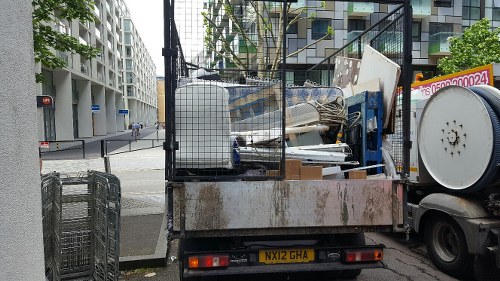 If you wish to make a complaint about a house clearance job, a waste removal crew, or associated services, please describe the issue clearly in writing. Include dates, job reference numbers if available, a concise account of what happened, and any relevant photographs or evidence. The aim is to enable a prompt and fair review. Complaints can relate to rubbish removal, waste clearance or any aspect of the service delivery.
Acknowledgement and initial response
The organisation will acknowledge receipt of your complaint promptly. Typically, an acknowledgement will be provided within three working days. This initial response will confirm the details recorded, the person assigned to investigate, and the timeframe for a substantive reply. Transparency at this stage helps set expectations and demonstrates commitment to resolving matters fairly.
Where appropriate, an immediate remedial action may be taken while the full investigation is conducted. Examples include arranging a return visit to complete clearance, removing remaining waste, or offering a provisional goodwill gesture where service shortfalls are evident. Any such actions will be documented as part of the complaint record.
The formal investigation may involve interviews with staff, review of job notes, CCTV or vehicle logs where available, and examination of waste transfer documentation. A clear timeline for completion of the investigation will be provided and updates issued if additional time is required.

Investigation process and evaluation
The complaint handler will evaluate the evidence against the service agreement and relevant regulatory standards. This includes considering whether safe working procedures were followed, whether items were handled according to customer instructions, and whether any environmental or health concerns arose. The investigation will identify root causes and whether the complaint indicates an isolated incident or systemic problem.Possible outcomes include: full acceptance of the complaint with a proposed remedy; partial acceptance with explanation; or finding that the service met contractual and regulatory obligations. Remedies might include rework, partial refund, credit against future services, or an explanation and apology. All decisions will be reasonable, proportionate and documented.
The complainant will be informed in writing of the outcome, the rationale behind the decision, and any corrective measures taken. The communication will also explain the right to request a review or escalation if the complainant remains dissatisfied with the outcome.
Escalation and internal review procedures are available where initial findings do not resolve the concern. A senior manager not previously involved in the complaint will conduct the review. The review will re-examine the facts, any new information supplied by the complainant, and the proportionality of the proposed remedy. Reviews aim to be completed within a further ten working days where practicable.
 Data protection and confidentiality are important throughout the complaints process. Personal information submitted as part of a complaint will be used solely for the purposes of investigating and resolving the matter and will be handled in accordance with applicable privacy obligations. Records of complaints and their outcomes are retained to help improve performance and comply with regulatory requirements.
 Learning and continuous improvement: complaints are logged and analysed to identify recurring issues and improvement opportunities. Training, revised procedures, or equipment changes may follow to prevent recurrence. This proactive approach ensures that the house clearance team and rubbish removal crews maintain high standards of safety, environmental compliance and customer care.
Where a complainant remains unsatisfied after internal escalation, an independent review by an external ombudsman or sector regulator may be sought if applicable. Not every complaint will be eligible for external review; eligibility depends on the nature of the complaint and the jurisdictional framework. The organisation will explain these limitations and any relevant next steps.
Record-keeping includes the complaint submission, investigation notes, decisions, remedial actions and communication logs. These records support accountability and enable pattern analysis across house clearance Enfield operations and broader waste management activities. Periodic summaries inform management and contribute to service improvement plans.
Finally, the company commits to treating all complainants with respect, dealing with complaints impartially, and seeking timely and fair remedies. This Complaints Procedure for house clearance and rubbish removal services is designed to be clear, accessible and effective while balancing operational and regulatory considerations.